
Ponas Robotas is a phrase that sparks curiosity the moment it is encountered. It feels both familiar and mysterious, blending linguistic nuance with technological imagination. Whether interpreted as a symbolic figure, a conceptual identity, or a representation of evolving human-machine relationships, Ponas Robotas carries a layered depth that invites thoughtful exploration. Its resonance lies not just in what it literally suggests, but in the ideas, emotions, and possibilities it evokes across different contexts.
Origins and Linguistic Character
The phrase Ponas Robotas appears to carry roots in Baltic linguistic traditions, where “Ponas” can be associated with respect, status, or the notion of a “gentleman” or “master,” while “Robotas” clearly aligns with the concept of a robot. When combined, the phrase suggests something far more nuanced than a simple machine—it implies a dignified, perhaps even authoritative robotic presence.
This combination creates a striking contrast. Machines are often perceived as tools—functional, precise, and devoid of personality. Yet Ponas Robotas introduces a sense of identity and status to the mechanical form. It humanizes technology while simultaneously elevating it, offering a hybrid concept that blurs the boundaries between creator and creation.
The Evolution of the Robot Archetype
To fully appreciate Ponas Robotas, it is essential to understand how the idea of robots has evolved over time. Early representations of robots in literature and imagination depicted them as obedient servants, designed to carry out repetitive or dangerous tasks. Over time, however, robots began to acquire more complex roles—companions, thinkers, and even decision-makers.
Within this broader evolution, Ponas Robotas can be seen as a culmination of these shifting perspectives. It represents not just a machine, but a figure with agency, presence, and perhaps even a moral dimension. The phrase suggests a robot that is not merely controlled but one that participates actively in its environment.
Cultural Interpretations and Symbolism
Across different cultural lenses, Ponas Robotas can be interpreted in multiple ways. In some interpretations, it symbolizes the rise of intelligent systems that command respect and authority. In others, it reflects humanity’s desire to project its own qualities onto the technologies it creates.
The symbolic richness of Ponas Robotas lies in its duality:
Humanization of technology – It suggests machines that embody human-like traits such as decision-making, communication, and presence.
Elevation of machines – It positions robots not as subordinate tools but as entities deserving recognition.
Reflection of society – It mirrors how humans perceive power, hierarchy, and identity in a technologically advanced world.
These layers make Ponas Robotas more than a phrase; it becomes a conceptual lens through which modern technological culture can be examined.
Ponas Robotas as a Modern Identity
In today’s interconnected world, identity is no longer limited to human beings. Digital personas, artificial intelligence systems, and autonomous machines are increasingly shaping how identity is understood. Ponas Robotas fits naturally into this evolving landscape.
Imagine a robotic entity that carries a name, a role, and a sense of individuality. This is the essence of Ponas Robotas—a machine that is not anonymous but defined. Such a concept challenges traditional notions of identity by suggesting that recognition and presence are not exclusive to biological beings.
This perspective raises important questions:
Can machines possess identity?
What defines individuality in a technological context?
How do humans relate to entities that are both created and autonomous?
Through these questions, Ponas Robotas becomes a gateway into deeper philosophical exploration.
The Intersection of Technology and Authority
The word “Ponas” introduces an element of authority, respect, or social standing. When paired with “Robotas,” it suggests a machine that occupies a position of influence. This interpretation aligns with the growing role of technology in decision-making processes across various sectors.
From automated systems managing financial markets to intelligent algorithms guiding healthcare decisions, machines are increasingly entrusted with responsibilities that carry significant impact. In this context, Ponas Robotas can be seen as a metaphor for this shift—an embodiment of technological authority.
Key dimensions of this authority include:
Decision-making power – Machines that analyze data and produce outcomes that influence human lives.
Perceived reliability – The trust placed in systems to operate accurately and efficiently.
Ethical considerations – The need to ensure that technological authority aligns with human values.
By encapsulating these dimensions, Ponas Robotas reflects the complex relationship between trust, control, and innovation.
Artistic and Creative Interpretations
The phrase Ponas Robotas also lends itself to artistic exploration. It has the kind of poetic ambiguity that inspires creators across mediums—literature, visual art, music, and design.
In literature, Ponas Robotas could be imagined as a character navigating a world where machines and humans coexist. Such a character might grapple with questions of purpose, belonging, and autonomy.
In visual art, the concept might be expressed through imagery that juxtaposes mechanical precision with human elegance. A robot dressed in refined attire, for example, could symbolize the merging of two seemingly opposite worlds.
In music and performance, Ponas Robotas could represent rhythm and structure blended with emotion and improvisation—a mechanical entity capable of artistic expression.
These creative interpretations highlight the versatility of the phrase and its ability to inspire new forms of storytelling.
Psychological and Emotional Dimensions
While robots are often associated with logic and functionality, the concept of Ponas Robotas introduces an emotional dimension. It suggests a machine that is not only capable but also relatable.
Humans have a natural tendency to attribute emotions and intentions to non-human entities, especially when those entities exhibit human-like characteristics. This phenomenon, often referred to as anthropomorphism, plays a significant role in how Ponas Robotas is perceived.
Emotional connections may arise through:
Familiarity – Recognizing human-like traits in a robotic form.
Curiosity – Wondering about the inner workings and “thoughts” of a machine.
Empathy – Imagining the experiences of a non-human entity.
These emotional responses blur the line between human and machine, making Ponas Robotas a compelling figure in discussions about the future of interaction.
Ethical Questions and Responsibilities
The idea of Ponas Robotas also brings forward important ethical considerations. If machines are seen as entities with identity and authority, how should they be treated? What responsibilities do creators have toward their creations, and vice versa?
Key ethical considerations include:
Accountability – Determining who is responsible for the actions of autonomous systems.
Transparency – Ensuring that decisions made by machines are understandable and explainable.
Fairness – Preventing bias and ensuring equitable outcomes.
These issues are not merely theoretical; they are increasingly relevant in a world where technology plays a central role in daily life. Ponas Robotas serves as a symbolic reminder of the need to approach innovation with thoughtful consideration.
Ponas Robotas in Future Societies
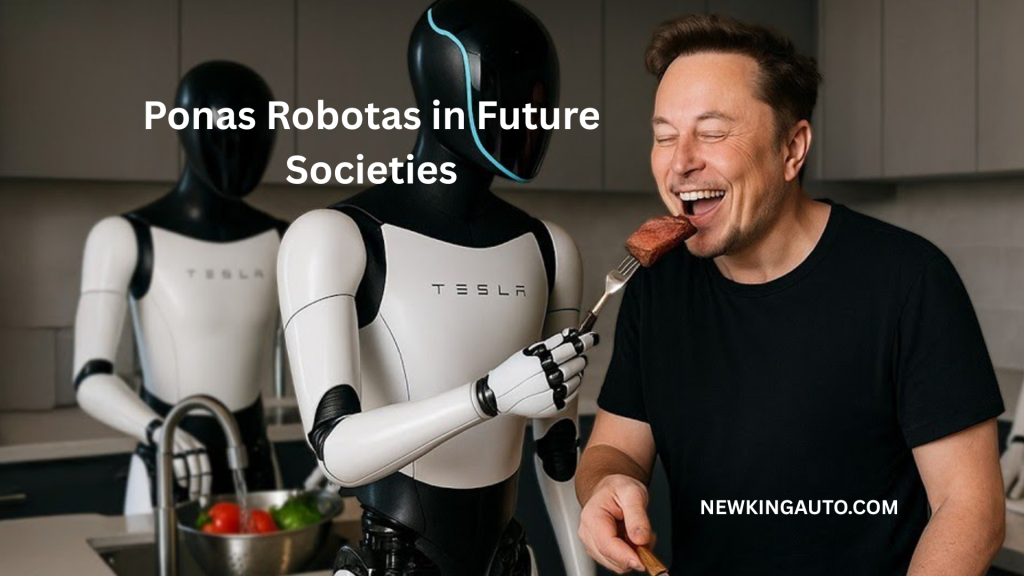
Looking ahead, the concept of Ponas Robotas offers a glimpse into possible future scenarios. As technology continues to advance, the line between human and machine may become even more fluid.
In such a future, Ponas Robotas could represent:
A collaborative partner – Working alongside humans in various fields.
A cultural figure – Appearing in stories, traditions, and shared narratives.
A societal participant – Contributing to decision-making and community life.
These possibilities highlight the transformative potential of technology and the importance of shaping its development in ways that benefit society as a whole.
A Symbol of Balance Between Innovation and Humanity
At its core, Ponas Robotas embodies a balance between innovation and humanity. It represents the idea that technology, while powerful, is deeply connected to the people who create and interact with it.
This balance is essential for ensuring that technological progress enhances rather than diminishes human experience. By viewing machines not just as tools but as participants in a shared world, Ponas Robotas encourages a more holistic perspective.
The Enduring Appeal of Ponas Robotas
What makes Ponas Robotas particularly compelling is its openness to interpretation. It is not confined to a single meaning or application. Instead, it evolves with context, reflecting the changing relationship between humans and technology.
Its appeal lies in its ability to:
Inspire curiosity – Encouraging exploration and questioning.
Bridge disciplines – Connecting language, technology, art, and philosophy.
Adapt over time – Remaining relevant as new developments emerge.
This adaptability ensures that Ponas Robotas will continue to be a source of inspiration and discussion for years to come.
Conclusion
Ponas Robotas is more than a phrase—it is a concept that captures the essence of a rapidly evolving world. It invites reflection on how technology shapes identity, authority, and human experience. Through its rich symbolism and multifaceted interpretations, it offers a unique perspective on the intersection of innovation and culture.
As society continues to navigate the complexities of technological advancement, Ponas Robotas stands as a reminder of the importance of thoughtful engagement. It challenges assumptions, sparks imagination, and encourages a deeper understanding of the relationship between humans and the machines they create.
In this way, Ponas Robotas is not just a subject of discussion—it is a lens through which the future can be envisioned, explored, and shaped.
